Clean Code Tricks You Wish You Knew Earlier
Unlock clean code principles that streamline development. Discover how to end the messy nightmare and write code that sings in harmony.
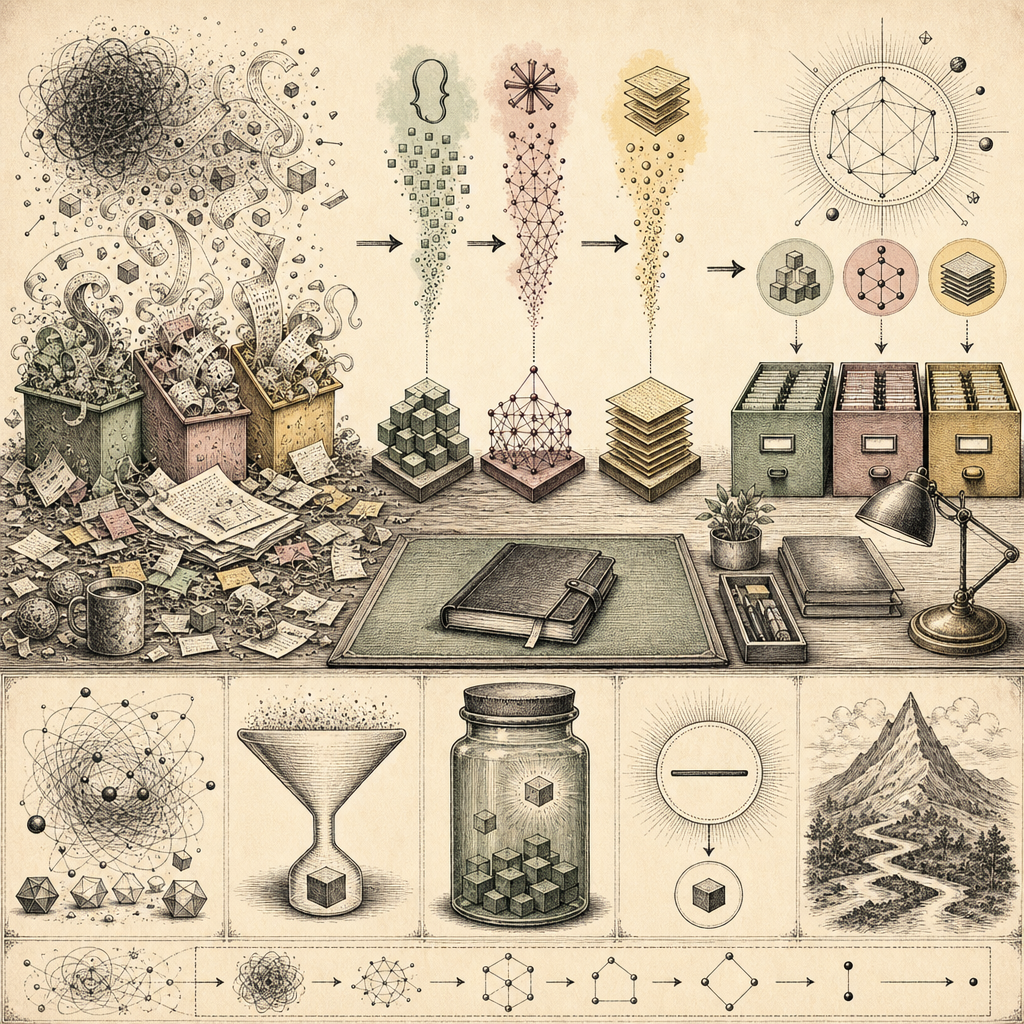
Picture this: You’re sifting through a haystack of code, looking for that one bug. The clock ticks, your coffee cools, and your patience thins. Wouldn’t it be dreamy if all code was clean, concise, and crystal-clear? Welcome to the world of clean code principles.
The Symphony of Simplicity
You know that feeling when you walk into a concert hall and everything just clicks? That’s clean code. It’s about writing software that doesn’t make you want to gouge your eyes out every time you revisit it. Here’s the kicker - it’s not just about working code but code that’s simple, expressive, and understandable.
- KISS (Keep It Simple, Stupid): Avoid overthinking. Like trying to solve a Rubik’s cube with your eyes closed, over-engineering complicates things unnecessarily. Strip your code to its essence.
- DRY (Don’t Repeat Yourself): Duplicated code is like repeating your order at a drive-thru - unnecessary and prone to errors. Create functions or modules for repeated patterns.
To ensure your work is concise, check out the JSON Formatter - perfect for cleaning up messy JSON strings.
Naming Conventions: More Than Just A Pretty Face
A rose by any other name might smell as sweet, but in the coding world, names matter - a lot. Choosing meaningful names for your variables and functions is like labeling spices in your pantry. Without it, you’ll mistake cinnamon for cumin in your apple pie.
- Variables should be descriptive: ‘var x’ doesn’t cut it. Use ‘var userAge’ instead.
- Functions express actions: Use verbs that clearly indicate what the function does, like ‘calculateSalary’.
Using a Code Snippet Generator can help you build templates that adhere to these conventions effortlessly.
The Beauty of Brevity
Code should be like a good tweet - short and to the point. You’re not entering a Dickens novel competition here. Each line should serve a purpose, advancing the plot without fluff.
- Limit line length: Keep it under 80 characters. If it wraps, it slaps.
- Avoid deep nesting: Simplify conditional logic to keep your hierarchy tidy.
For a touch of poetry in your HTML and CSS, consider the CSS Minifier to clean up your styling sheets.
Error Handling: Don’t Sweep It Under The Rug
Errors are like cockroaches - ignore them, and they multiply. Be diligent in handling exceptions immediately and elegantly.
- Use try-catch blocks sparingly: Overuse can clutter your code. Handle specific exceptions rather than general ones.
- Logs are your friend: Proper logging can save hours of debugging.
The Regex Tester is an excellent tool for catching errors in your regular expressions, helping you refine them into well-oiled patterns.
Commenting: The Art of Saying Enough
Comments are the signposts of your code, guiding developers down the right path. But beware of overdoing it. Too many comments are like a chatty GPS - annoying and often stating the obvious.
- Explain why, not what: The “what” should be evident from your code. Comments should clarify your intent.
- Update comments with code changes: Stale comments are worse than no comments.
Code Reviews: The Final Frontier
Even Shakespeare had editors. A fresh pair of eyes can spot the ‘to be or not to be’ moments in your code.
- Peer review: Make it a habit to have others check your work. It’s not just for catching errors but for learning new tricks.
Final Thoughts
Clean code principles are about creating a seamless symphony in your digital endeavors. With these tricks, you can transform your coding process from chaos into clarity. Trust me, your future self will thank you.
Why not take a stroll through the treasure trove of tools available on b2kit.com? You might just find your new favorite development aid.