Crack the Code: Digital Literacy's Hidden Layers
Uncover the secret layers of digital literacy and learn how these skills are reshaping education in today's tech-driven world.
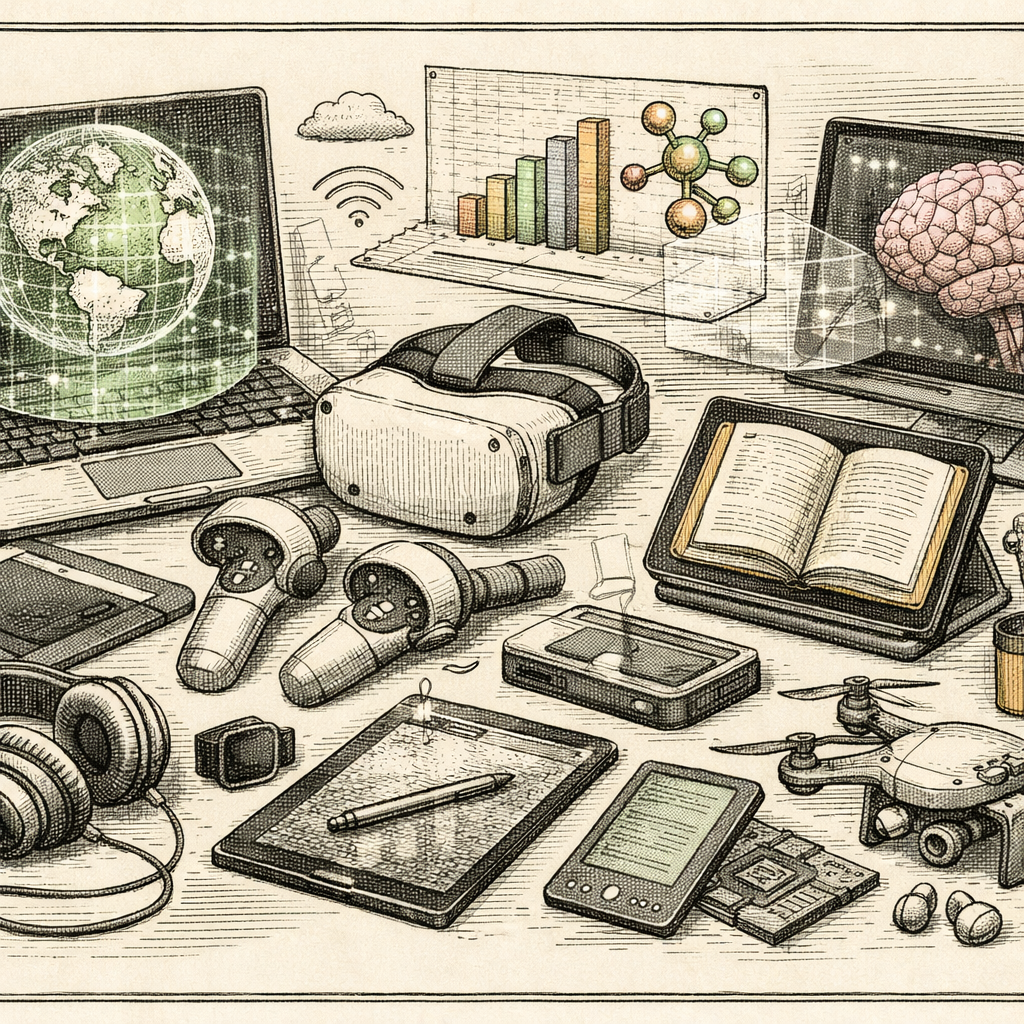
Picture this: a bustling classroom, but instead of chalkboards and notebooks, students are armed with tablets and virtual reality headsets. Digital literacy is no longer a luxury; it’s the new ABCs of education. Recent studies show that over 85% of educational institutions now prioritize digital skills alongside traditional curricula.
The Digital Literacy Revolution
Remember when learning to read was about phonics and sight words? Well, today’s pupils are learning to navigate search engines and decipher fact from fiction online. Digital literacy involves understanding and effectively using technology to find, evaluate, create, and communicate information. This is a game-changer in a world where information floods in like New Year’s confetti.
But digital literacy isn’t just about tech skills. It’s a complex tapestry that weaves together critical thinking, creativity, and ethical understanding of the digital world. It’s like learning a new language where the vocabulary is constantly being updated.
Tools to Sharpen Your Digital Prowess
Arming yourself with the right tools is like having a Swiss Army knife in the digital jungle. The Text-to-Speech Player can turn text into spoken words, making it easier to digest long articles while multitasking. For those crafting content or analyzing readability, the Text Readability Optimizer helps transform clunky text into smooth, readable prose.
Flashcards aren’t just for kids. The Flashcard Maker lets you create virtual flashcards to master any subject, from new languages to coding terms. It’s time to upgrade from paper and ink to pixels and clicks.
Digital Literacy: The Educator’s Superpower
With students more likely to see a screen than a blackboard, educators are navigating new territories. Digital literacy empowers teachers to innovate, offering personalized learning experiences and engaging students like never before. According to a survey by a major educational research organization, teachers who integrate digital tools reported a 70% increase in student engagement.
Moreover, these skills are breathing new life into traditional subjects. Imagine chemistry lessons enhanced by interactive periodic tables or history classes brought to life through virtual reality tours of ancient civilizations. The possibilities are as limitless as the suggestions in your favorite search engine.
Challenges and Opportunities in the Digital Classroom
As with any revolution, there are challenges. Not all students have equal access to technology, leading to a digital divide that educators must bridge. Schools must ensure every student has the resources to develop these essential skills.
But with challenge comes opportunity. Educators can lead the charge, advocating for policies that expand access to digital learning devices and high-speed internet. Moreover, establishing frameworks for online safety and digital ethics is crucial.
Your Next Steps in Becoming Digitally Literate
Feeling inspired to dive deeper into digital literacy? Start by exploring free resources online or enrolling in courses that expand your tech knowledge. Practice critical thinking when consuming digital content and always question, “Is this source reliable?”
And remember, b2KIT offers a treasure trove of tools to bolster your learning journey. From converting units with the Unit Converter to solving complex math problems with the Math Equation Solver, these resources can transform your digital skills from basic to master level.
In a world where technology is ever-present, becoming digitally literate is not just an option; it’s a necessity. So plug in, power up, and prepare to crack the code of digital literacy with the tools and resources at your fingertips.