Clean Code Principles: Secrets to Cleaner, Leaner Code
Explore clean code principles that make code readable, maintainable, and efficient in web development. Discover tools to simplify your workflow.
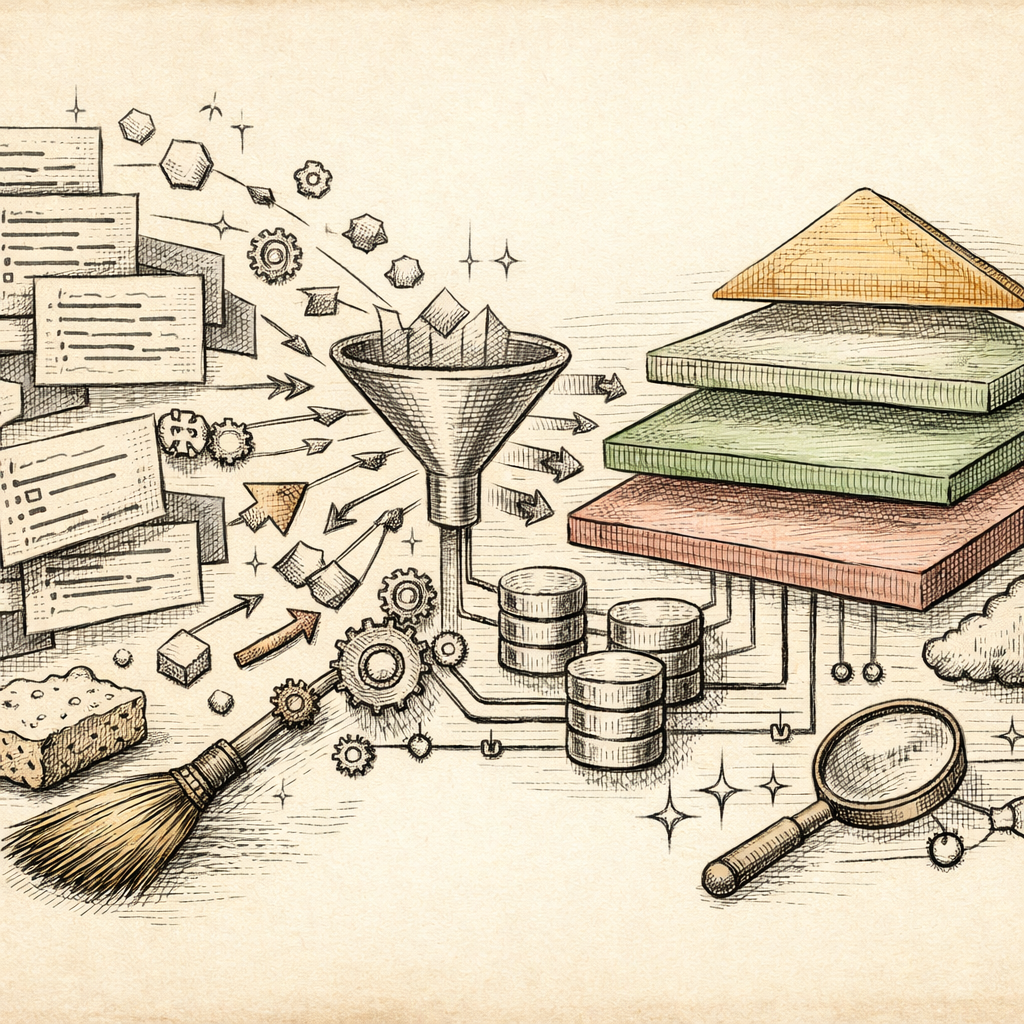
Imagine you’re deep in the bowels of a sprawling codebase, and it’s like spelunking without a flashlight. Each line of code is a cryptic puzzle, and you’re the archaeologist deciphering ancient scripts. This is the reality of navigating unkempt code: it’s a journey through chaos. But guess what? It doesn’t have to be this way. Welcome to the world of clean code principles!
Why Clean Code Matters
Clean code is like that perfectly organized closet where you can find everything-your favorite jeans, that snazzy jacket-without rummaging for hours. It’s not just a matter of aesthetics; it’s about creating code that is understandable and maintainable. Studies suggest that developers spend over 50% of their time maintaining code, which is significantly reduced with clean coding practices. Not to mention, clean code helps in reducing bugs and technical debt, making your software life a whole lot easier.
Naming: The Shakespearean Art of Variables
What’s in a name? Quite a lot, if you’re talking about code. Names should be intuitive and convey meaning. If you have a variable named calc, it might as well be a black hole. Instead, try calculateInvoiceTotal, which tells you exactly what it’s doing. Starting with self-explanatory names can revolutionize your codebase readability. The Code Snippet Generator can assist you in generating clear and concise code snippets that align with these naming conventions.
The Power of Functions
Functions are your code’s best friend-they do one thing, and do it well. Think of each function as a single-tasking robot. If your function is doing the tango with more than one responsibility, it’s time for a breakup. Smaller functions are easier to test and reuse. Also, adhering to the DRY principle (Don’t Repeat Yourself) can help in maintaining a cleaner codebase. Tools like the Regex Tester can help in writing small, efficient expressions within your functions.
Code Formatting: The Aesthetic Science
A cleanly formatted code is like a well-read poem. Indentation, spacing, and line breaks should consistently follow a style guide. This not only helps your fellow developers (or future you) understand the code faster but also prevents the ‘I just got up from a messy desk’ syndrome. Tools like the CSS Minifier can help you strip out unnecessary spaces and make your CSS concise while retaining readability.
Commenting: When Less is More
Comments are like the seasoning of a gourmet meal; a sprinkle can amplify flavors, but too much can ruin the dish. Good code tells its own story, obviating the need for verbose comments. Use comments to explain ‘why’ rather than ‘what.’ For example, a comment like // Calculate the discount is redundant if your function is named calculateDiscount. Focus on using comments to elucidate the logic behind complex code structures.
Refactoring: The Secret Weapon
Consistently refactoring is key to maintaining clean code. It’s like a good skincare routine for your code-it keeps it smooth and youthful. Refactoring involves re-organizing code without changing its behavior, often to improve readability or reduce complexity. Keep an eye on areas that are error-prone or hard to test and structure them for simplicity.
Tools to Keep Your Code Squeaky Clean
Incorporating Color Picker can aid in maintaining aesthetic consistency across your UI, while the UUID Generator helps in producing unique identifiers without the hassle of collisions. Both ensure your code isn’t just clean, but also efficient and reliable.
Clean code isn’t a mythical unicorn-it’s a reality you can achieve with the right practices and tools. Start today with these principles and watch as your codebase transforms from a tangled web into an elegant tapestry. And remember, like a good friend always says, “Happy coding!” Want more tips and tools for a cleaner coding experience? Explore the treasure trove of utilities on b2KIT and start coding clean, today.