The Group Project Survival Guide (For the Person Doing All the Work)
You're carrying the team. Again. Here are tools and strategies to make group projects less painful and maybe even productive.
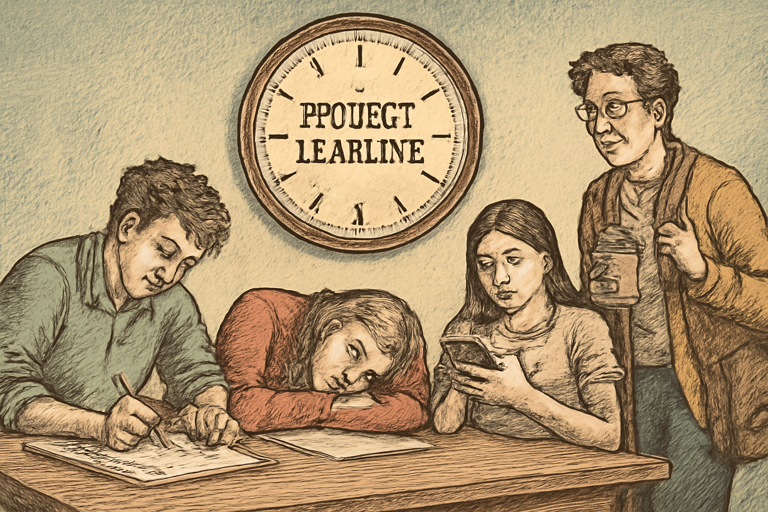
Every group project has the same cast of characters:
- The Overachiever (you, probably, since you’re reading productivity articles)
- The Ghost (hasn’t been seen since the group was formed)
- The “I’ll Do It Tomorrow” Person (tomorrow never comes)
- The One Who Only Shows Up for the Presentation
Sound familiar? Here’s how to survive without losing your mind or your GPA.
Step 1: Break Everything Into Tiny Tasks
Vague assignments create vague accountability. “Work on the research” means nobody does research. “Find 3 peer-reviewed sources about climate impact on agriculture by Thursday” means someone finds 3 sources by Thursday.
Use a kanban board to create cards for every task. Move them from “To Do” to “In Progress” to “Done.” Everyone can see who’s doing what. The Ghost can no longer hide.
Step 2: Set Stupid-Obvious Deadlines
“Due sometime next week” is not a deadline. “Due Tuesday at 6 PM” is a deadline. Create a checklist with every deliverable and its deadline. Share it with the group. Now there’s a written record of who agreed to what.
Step 3: Make Meetings Short and Structured
Group project meetings have a tendency to turn into 2-hour hangouts where nothing gets decided. Fix this:
- Set a timer. 20 minutes max for check-ins.
- Each person states: what they did, what they’re doing next, what’s blocking them.
- Decisions get made. Meeting ends.
Curious how much those 2-hour meetings actually cost? A meeting cost calculator puts a dollar value on everyone’s time. It’s a sobering reality check.
Step 4: Plan Your Own Time
Use a daily planner to schedule your group project tasks alongside your other coursework. Block specific times for group work. Protect your personal study time.
Step 5: Set a Final Deadline Before the Real Deadline
The project is due Friday? Tell the group everything needs to be done by Wednesday. Use a countdown timer visible to everyone. This buffer gives you time to fix whatever the Ghost didn’t do and polish the final product.
Step 6: Document Everything
If someone doesn’t contribute, you need evidence. Screenshots of messages, the kanban board history, and the contribution record. Most professors will adjust grades for unequal contribution if you have documentation.
The Hard Truth
You can’t make people care about a grade as much as you do. What you can do is create systems that make it obvious who’s contributing and who isn’t. Transparency is accountability.
And if all else fails, remember: this is training for every workplace you’ll ever be in. The group project never ends. It just starts paying.